
Choose a hymn for a Scripture passage
Follow a real entry in the Heritage Hymns Scripture index, then read the hymn and try its suggested tune.
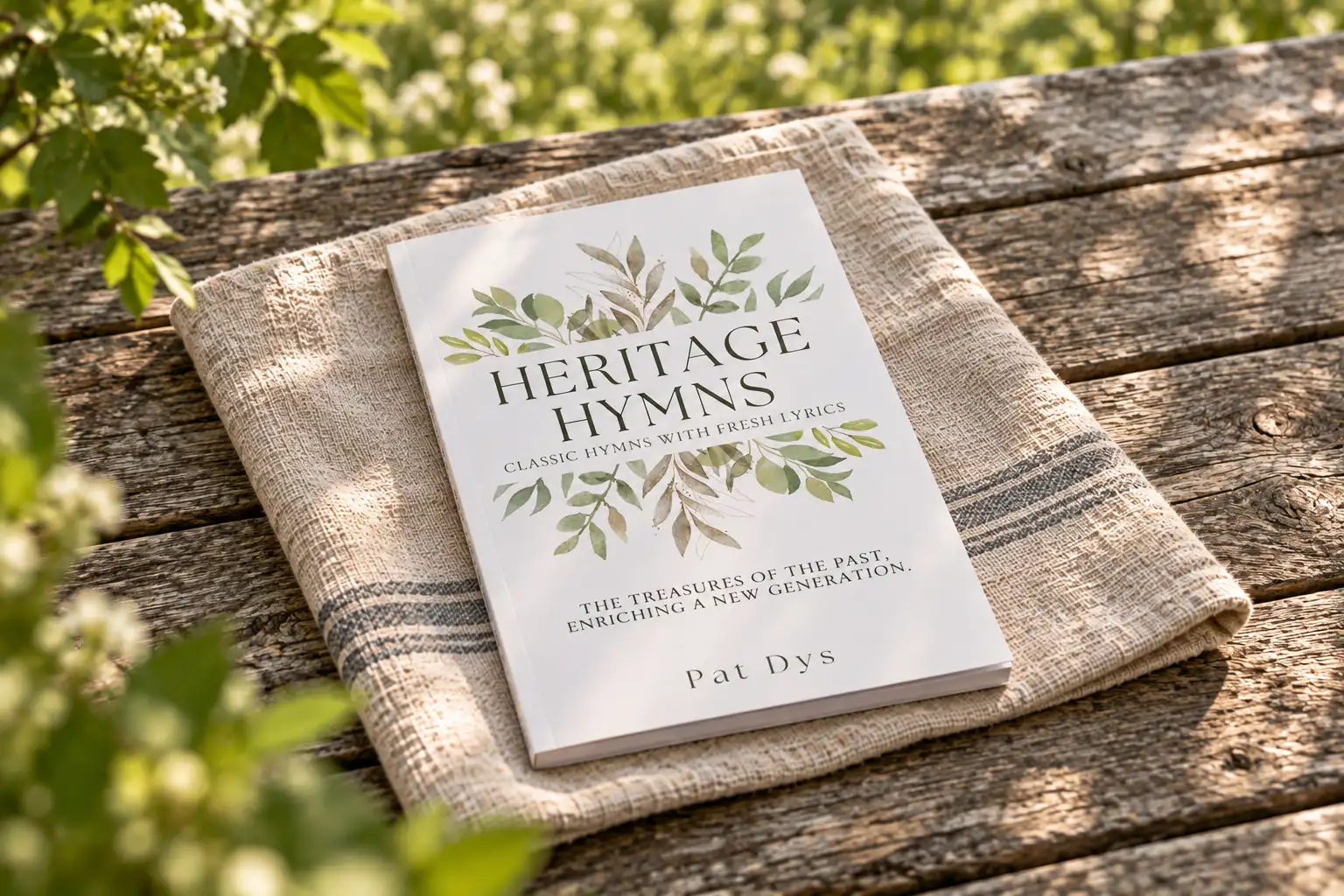
When you have chosen a Scripture reading for a gathering, the next question is often practical: what shall we sing with it? Begin with the passage, use an index to find a possible hymn, and read the whole lyric before deciding. A shared word or subject is worth noticing, but you will want to hear how the hymn responds to the passage.
Heritage Hymns includes Scripture, tune, and meter indexes. Here is a worked example using Romans 8:26–28 and Pat Dys’s “Great Are the Mysteries of God,” with questions to help you choose a hymn for your own reading.
Decide what the hymn will do
Read the Scripture passage before opening the index. Write a short note about the part of the reading you want to return to in song. For Romans 8:26–28, begin by asking what the passage says about the Spirit’s help when we do not know what to pray.
Then consider the hymn’s place in your gathering. Will it follow the reading, lead into prayer, or close your time together? That choice helps you evaluate the whole hymn. A song can share the reading’s subject yet take the gathering in a different direction from the one you intended.
Follow the Scripture index to page 4
Open the Index of Scripture in Heritage Hymns and locate the Romans entries. On printed page 215, near the bottom of the right-hand column, find Romans 8:26–28. The entry points to page 4.
The index offers different hymns for related passages: Romans 8:26–27 points to pages 28 and 163, while Romans 8:28 points to page 43. Those entries offer alternatives if your reading has a different emphasis.
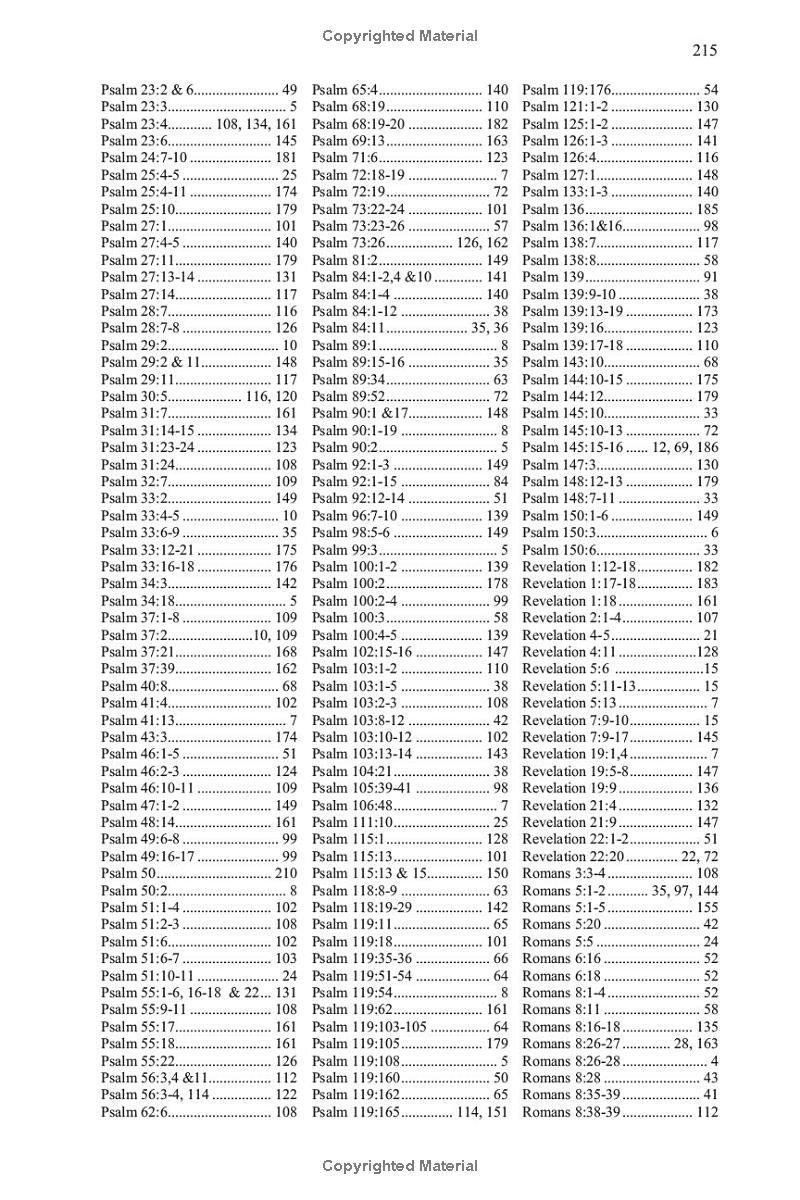
Turn to the book’s printed page 4, titled “Great Are the Mysteries of God.” Romans 8:26–28 also appears among the Scripture references beneath the lyric. You can read the hymn in the book sample. Use the printed page number when following the index; the sample reader also counts covers and opening pages.
Read beyond the matching phrase
Read all three stanzas aloud. The hymn moves through God the Father, God our Savior, and God the Spirit. Its third stanza addresses unanswered questions and the Spirit’s intercession, making it the place to begin comparing the lyric with your Romans reading.
Ask three questions before choosing it:
- Which words in the passage help me understand this stanza?
- How do the first two stanzas prepare for the third?
- Does the whole hymn fit the prayer or conversation that will follow?
The hymn lists several passages, so do not expect Romans alone to account for every line. Keep Scripture open beside the lyric. If a phrase raises a question you cannot explain, note it for further reading or conversation with the person leading worship before introducing the song.
Try the tune before the gathering
Page 4 suggests “Be Still My Soul” and prints the tune name Finlandia, with the meter 11.10.11.10.11.10. If the melody is familiar, try the first stanza aloud and notice where the words fall. Try the remaining stanzas too, listening for the natural stresses of the words.
If you need the music, look up the tune by name. Decide whether someone can introduce it confidently. Reading the lyric aloud is also a useful choice for a gathering that is still learning the melody.
Keep one useful note
Record the Scripture reference, hymn title, printed page, and tune name together. Add one sentence explaining why you chose the pairing. Keep that pairing for the next time the passage comes around.
For a reading from Psalms, singing a psalm takes up a related question: how to place a devotional song alongside the biblical psalm that prompted it.